
Desk note · industry · Food policy / infant nutrition
On 17 October 2026, the Food Safety and Standards Authority of India proposed ending routine use of sucrose and fructose in nutrition products for babies up to six months, keeping lactose and glucose polymers as the preferred carbohydrates.
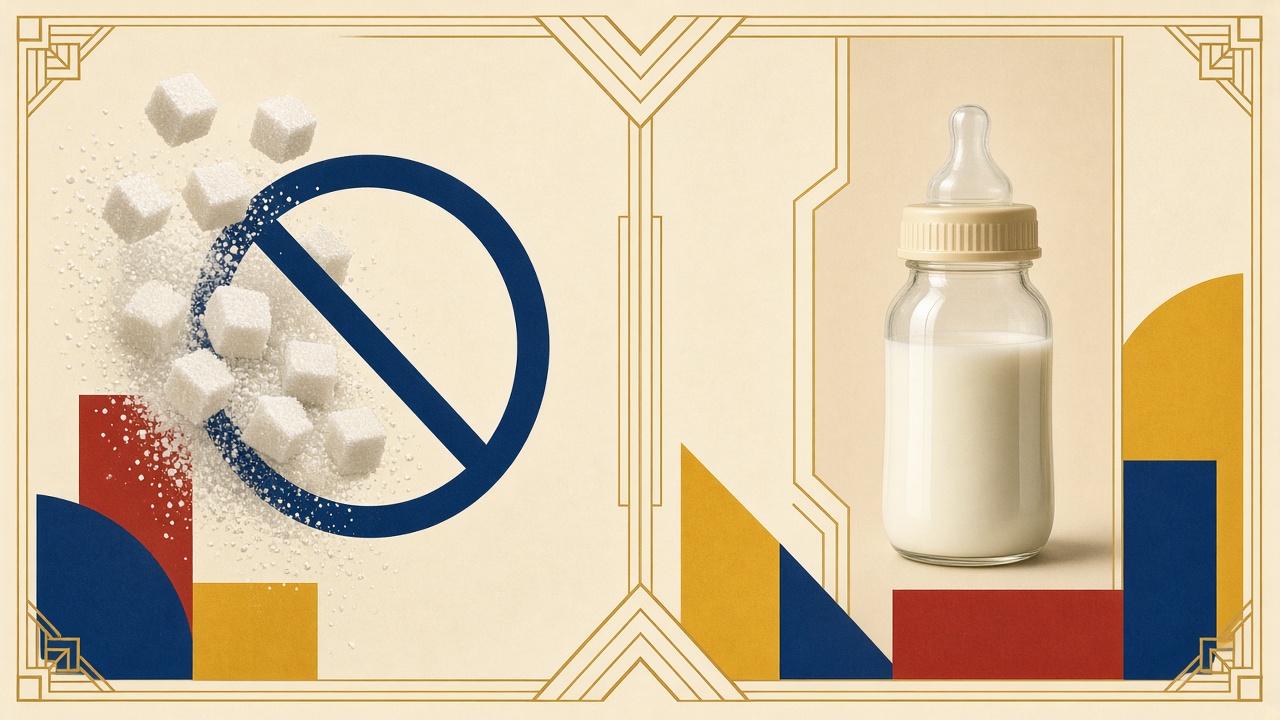
On 17 October 2026, the Food Safety and Standards Authority of India said it wants to stop manufacturers from adding sucrose and fructose to infant nutrition products meant for children up to six months old. Current standards already list lactose and glucose polymers as the preferred carbohydrate sources for those products. Sucrose and fructose can be used today only when required and within prescribed caps. FSSAI said the change is meant to cut babies’ exposure to added sugars and to respond to obesity risks in childhood. The proposal applies within broader infant nutrition rules that cover safety and composition for children from birth to 24 months.
Packaged infant formula and follow-on foods are one of the first processed meals many households buy. When regulators narrow which sweeteners are allowed, manufacturers must reformulate recipes, rerun stability tests, and refresh labels before shelves turn over. That can raise production cost but also removes a cheap way to mask bitter notes from fortifiers. The move aligns with FSSAI’s wider push on sugar, salt, and saturated fat, including a planned front-of-pack warning label that now triggers if even one nutrient of concern crosses a threshold. For parents, the practical effect is fewer discretionary sweeteners in the youngest age band, not a ban on all sugars in toddler snacks, which sit under different product categories.
If you buy formula or infant cereals, watch for revised packs and ingredient lists after the draft is finalised and commented on. Retailers and paediatric brands may phase out old stock over several months. If you invest in listed food companies, track which firms rely on sweetener blends in infant SKUs and what reformulation costs they disclose. Policy watchers should compare this rule with state enforcement on warehouses and restaurants, because both threads show regulators treating packaged and fresh food chains as public health issues, not only quality paperwork.
Trade policy / exports
Commerce minister Piyush Goyal said on 22 October 2026 that India’s proposed free-trade agreement with the European Union could become operational within four to five months after signing, with the deal expected to be inked before year-end during his visit to Germany.
Food delivery / quick commerce
Swiggy reported on 22 October 2026 that September-quarter revenue rose 36% to about ₹7,571 crore and the consolidated net loss narrowed to ₹922 crore, as food delivery posted record adjusted core profit of about ₹349 crore while quick-commerce Instamart lost about ₹764 crore at the segment level amid heavier discounting and 69 new dark stores.
Quick-service restaurants / consumers
KFC and Pizza Hut operator Sapphire Foods India said on 22 October 2026 that September-quarter consolidated restaurant sales rose 20% year on year to about ₹885 crore, with KFC India same-store sales up 14% and adjusted EBITDA margin expanding 100 basis points to 7.1% even as the listed stock remained far below its 52-week high.
RBI / government borrowing
On 22 October 2026, the Reserve Bank of India accepted no bids at the scheduled sale of short-dated government treasury bills, the first full cancellation in about seven months, as investors demanded higher yields amid a bond selloff, oil-linked inflation fears, and expectations of more rate hikes after October’s policy minutes.
For informational purposes only. Not investment advice. Verify with filings and a licensed adviser.