
Desk note · industry · Defence manufacturing
On 20 October 2026 chairman S Rangarajan told reporters that Data Patterns Limited is ready to deliver military electronics but customer inspection teams are arriving late, widening the gap between a ₹2,654 crore order book as of 30 June 2026 and revenue recognition on indigenous defence programmes.
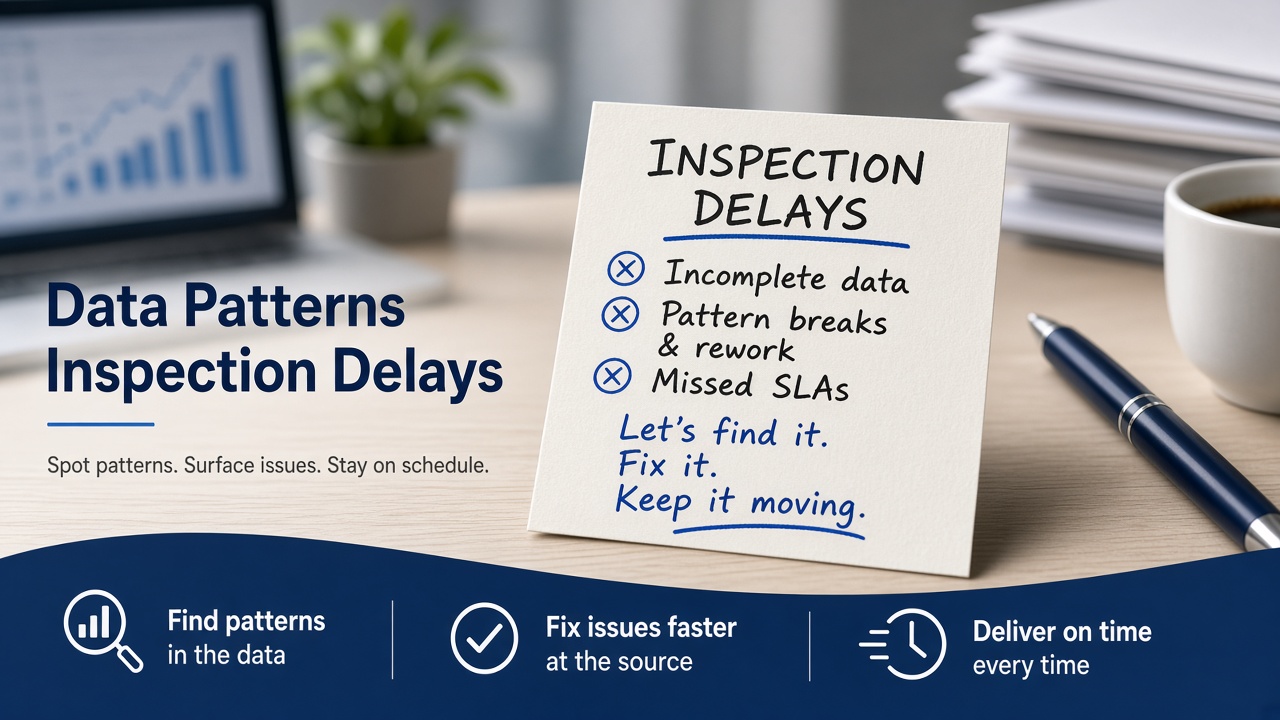
On 20 October 2026, coverage of India's defence supply chain quoted Data Patterns Limited chairman and managing director S Rangarajan on a familiar bottleneck. The company makes electronic subsystems for the military and says the push for indigenous content has opened thousands of crores in potential orders. Yet finished goods can wait on customer inspection teams before they ship. Rangarajan said products were ready in the past while inspectors were tied up on other deliveries, stretching one large programme by more than a year and a half and later by another six months, with customers now seeking a further two-month extension. As of 30 June 2026 the order book stood at ₹2,654 crore, of which ₹920 crore was firm and ₹1,726 crore remained under negotiation. The company is targeting ₹2,000 crore in fresh orders in the current year and is reportedly in talks for a ₹1,300 crore Hindustan Aeronautics contract where it is said to be the lowest bidder, though Rangarajan declined to comment on that deal.
Defence localisation is not only about designing parts in India. Acceptance inspections at user depots gate when revenue hits the vendor's books. When manpower is thin, even strong order books convert slowly, which frustrates investors who see headline policy targets of 70% self-reliance by 2030. Broader data in the story show acceptance-of-necessity approvals surging to about ₹9.3 lakh crore in 2025–26, but analysts note such milestones typically precede signed contracts by one to two years. Companies with diversified programmes and execution track records can weather the lag better than single-contract bets.
If you supply into defence or aerospace, build inspection scheduling into delivery contracts and cash-flow plans. Investors in pure-play electronics makers should weigh order-book growth against historical conversion times, not just policy headlines. Policy watchers should ask whether the defence ministry expands inspection capacity or delegates more checks to third-party agencies as domestic procurement accelerates. Track quarterly revenue recognition at Data Patterns, HAL contract announcements, and ministry comments on acceptance timelines.
Trade policy / exports
Commerce minister Piyush Goyal said on 22 October 2026 that India’s proposed free-trade agreement with the European Union could become operational within four to five months after signing, with the deal expected to be inked before year-end during his visit to Germany.
Food delivery / quick commerce
Swiggy reported on 22 October 2026 that September-quarter revenue rose 36% to about ₹7,571 crore and the consolidated net loss narrowed to ₹922 crore, as food delivery posted record adjusted core profit of about ₹349 crore while quick-commerce Instamart lost about ₹764 crore at the segment level amid heavier discounting and 69 new dark stores.
Quick-service restaurants / consumers
KFC and Pizza Hut operator Sapphire Foods India said on 22 October 2026 that September-quarter consolidated restaurant sales rose 20% year on year to about ₹885 crore, with KFC India same-store sales up 14% and adjusted EBITDA margin expanding 100 basis points to 7.1% even as the listed stock remained far below its 52-week high.
RBI / government borrowing
On 22 October 2026, the Reserve Bank of India accepted no bids at the scheduled sale of short-dated government treasury bills, the first full cancellation in about seven months, as investors demanded higher yields amid a bond selloff, oil-linked inflation fears, and expectations of more rate hikes after October’s policy minutes.
For informational purposes only. Not investment advice. Verify with filings and a licensed adviser.